
Every time you flip a switch to turn on the kitchen ceiling light, adjust the office desk lamp, or power up the living room fan, you might be interacting with a device that combines sturdiness and functionality—often a metal switch.
While plastic switches have long been common in homes and offices, metal switches are gaining popularity for their unique benefits. In this article, we’ll answer all your key questions about metal switches: what they are, why they’re worth choosing, where they work best, how to pick the right one, and more.
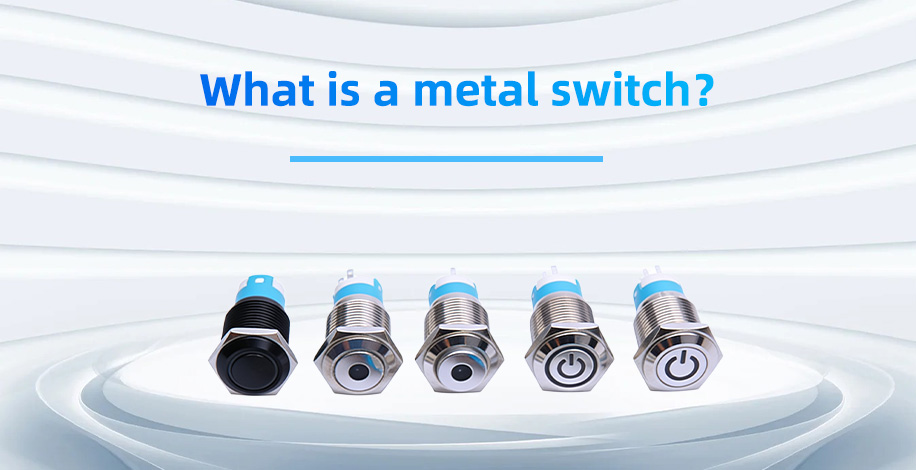
Table of contents:
1. What Exactly Is a Metal Switch?
2. How It Differs from Non-Metal Switches
4. Where Are Metal Switches Used?
5. Common Types of Metal Switches
6. How to Choose a High-Quality Metal Switch
7. Conclusion
8. FAQs(For example: Are metal switches safe?)
What Exactly Is a Metal Switch?
At its core, a metal switch is an electrical component designed to control the flow of electricity in circuits—turning lights, appliances, or other devices on or off (or adjusting their settings). What sets it apart from traditional switches is its metal-based outer casing, typically made from materials like aluminum alloy or stainless steel.
A metal switch has two main parts that define its performance:
Outer Casing: The visible part of the switch, made from durable metals. Aluminum alloy casings are lightweight and offer a sleek, modern look, while stainless steel casings are thicker, more corrosion-resistant, and better at withstanding impacts.
Internal Structure: Inside the metal casing, you’ll find essential parts like conductive contacts (usually made of silver-nickel alloy for better conductivity), springs (for smooth switching), and terminals (to connect wires). These parts work together to safely control electrical flow.

Click to return to the directory
How It Differs from Non-Metal Switches
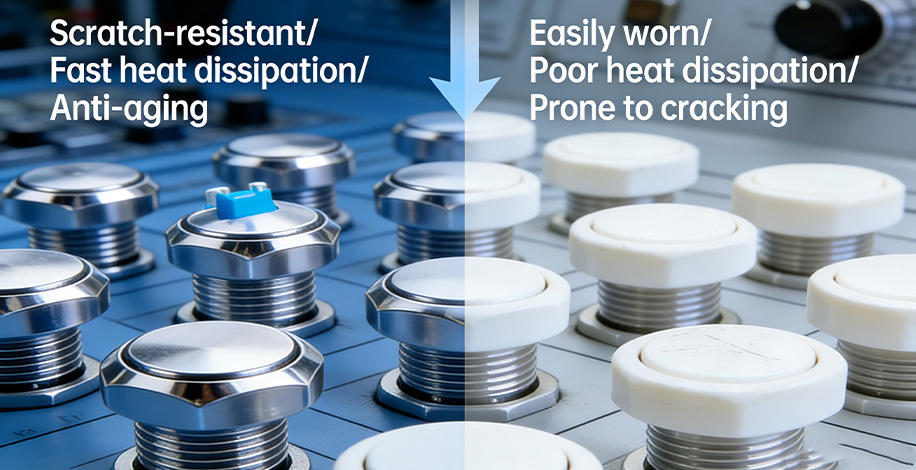
Plastic switches are the most common alternative, but metal switches have clear advantages: metal casings are more scratch-resistant (no more unsightly marks from daily use), better at dissipating heat (reducing fire risks), and more durable overall (they won’t crack or fade like plastic over time).
Click to return to the directory
Why Choose a Metal Switch?
Metal switches aren’t just a “upgrade” for looks—they solve real problems that plastic switches often struggle with.
Here are their top benefits:
1. Unmatched Durability
Metal casings can handle daily wear and tear that would damage plastic. For example:
In high-traffic areas like hallways or entryways, a metal switch won’t crack if someone bumps into it.
In homes with kids or pets, it resists scratches from toys or claws, staying looking new for years.
Most metal switches last 5–10 years, compared to 3–5 years for standard plastic switches.
2. Enhanced Safety
Safety is a top priority for electrical components, and metal switches deliver:
Heat Resistance: Metals have higher melting points than plastic, so they’re less likely to overheat (even if used with high-wattage devices like large lamps). This lowers the risk of fires.
Anti-Electric Shock Protection: Qualified metal switches have an insulating layer (usually plastic) between the metal casing and internal wires. As long as the switch is installed correctly, you won’t get shocked—even if your hands are slightly damp.
3. Aesthetic Appeal
Metal switches add a touch of sophistication to any space, thanks to their:
Textured Finishes: Brushed metal, matte black, or polished silver finishes match interior styles from industrial to minimalist to high-end luxury.
Color Versatility: They come in neutral tones (silver, black, white) and bold options (gold, bronze) to coordinate with wall paint, furniture, or hardware (like doorknobs).
4. Adaptability to Harsh Environments
Unlike plastic switches (which can warp in moisture or fade in sunlight), metal switches handle tough conditions:
Moisture Resistance: Aluminum alloy or stainless steel switches work well in bathrooms, kitchens, or balconies—they won’t rust or short-circuit from steam or rain.
Dust & Impact Resistance: In garages, workshops, or factories, metal casings keep dust out of internal parts and withstand accidental knocks from tools.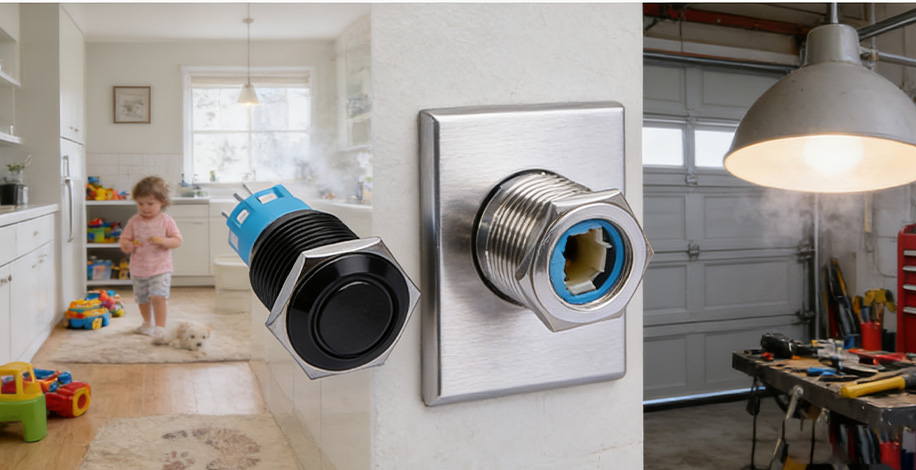
Click to return to the directory
Where Are Metal Switches Used?
Metal switches are versatile enough for nearly any space—residential, commercial, or industrial.
Here are the most common applications:
Residential Spaces
High-Wear Areas: Kitchens (resist heat and grease), bathrooms (moisture-proof), and hallways (handle daily bumps).
Decorative Zones: Living rooms (match modern furniture) and bedrooms (add a luxury touch to bedside switches).
Commercial & Public Spaces
Offices & Hotels: High-frequency use requires long-lasting switches, and metal’s sleek look elevates the space’s professionalism.
Hospitals & Shopping Malls: Stainless steel switches are easy to clean (important for hygiene) and resist stains from spills or dirt.
Industrial & Outdoor Areas
Factories & Workshops: Metal switches stand up to dust, vibrations, and impacts from heavy equipment.
Outdoor Lighting: Semi-outdoor areas (like porch lights or garden lamps) use weatherproof metal switches that resist UV rays and rain.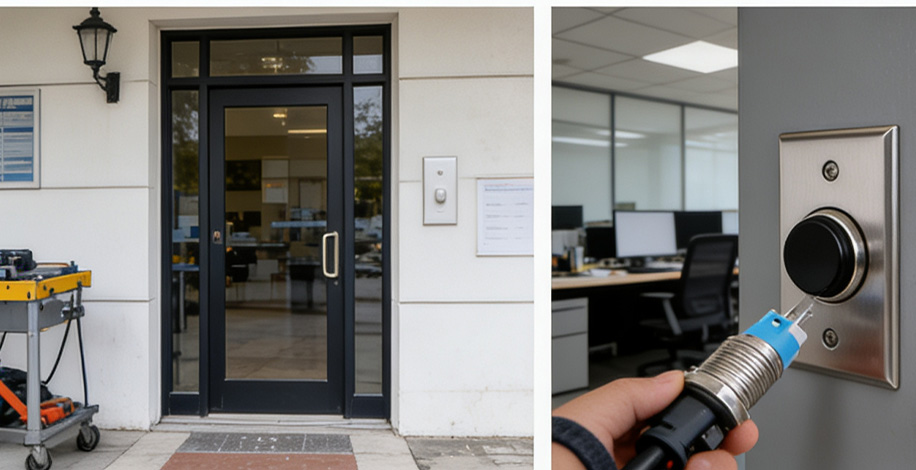
Click to return to the directory
Common Types of Metal Switches
Not all metal switches are the same—they’re classified by how they’re installed, what they do, and what metal they’re made of.
Here’s how to tell them apart:
By Installation Method
Surface-Mounted Metal Switches: These attach directly to the wall (no need to cut into drywall). They’re easy to install for retrofits (e.g., upgrading an old plastic switch) and have a slightly raised profile.
Recessed Metal Switches: These sit flush with the wall (requiring a small hole in the drywall). They look neater and are ideal for new home renovations.
By Function
On/Off Switches: The basic type—controls a single device (e.g., a bedroom light).
Dimming/Speed-Adjusting Switches: Let you adjust light brightness (for living rooms) or fan speed (for bedrooms) instead of just turning them on/off.
Multi-Gang Switches: Combine multiple switches in one plate (e.g., a 2-gang switch for controlling both the main living room light and downlights).
By Metal Material
Aluminum Alloy Switches: Lightweight, affordable, and available in many finishes. Great for most residential spaces.
Stainless Steel Switches: Thicker, more corrosion-resistant, and pricier. Perfect for bathrooms, kitchens, or industrial areas where durability is critical.

Click to return to the directory
How to Choose a High-Quality Metal Switch
With so many options, it’s easy to pick a low-quality switch that fails quickly.
Follow these tips to find a reliable one:
1. Check the Material Quality
Casing: Press the switch surface—if it feels thin or bends easily, it’s low-quality. Look for thick, rigid metal (stainless steel should feel heavier than aluminum).
Internal Contacts: Ask the seller about the contact material—silver-nickel alloy is best (it resists oxidation and conducts electricity well). Avoid switches with copper-only contacts (they rust easily and cause poor connections).
2. Verify Safety Certifications
Always choose switches with international safety marks, such as:
CE (European Union safety standard)
UL (United States safety standard)
CCC (China Compulsory Certification, for Asian markets)
These marks mean the switch has passed tests for electrical safety, heat resistance, and shock protection.
3. Test the User Experience
Switch Feel: Flip the switch a few times—it should move smoothly, with no “sticking” or loose sensations. A good switch has a firm, consistent click.
Waterproof Rating: For bathrooms or outdoor use, pick switches with an IP44 rating (resists splashing water) or higher.
4. Choose a Trusted Brand
Cheap, unbranded metal switches often cut corners on materials (e.g., thin metal or low-quality contacts). Stick to well-known brands like Legrand, Schneider, or Clipsal—they offer 1–2 year warranties and have better after-sales support if something goes wrong.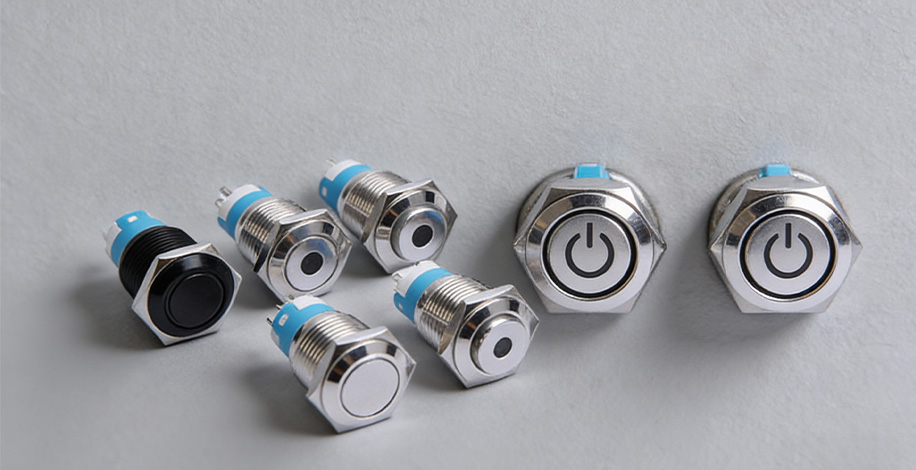
Click to return to the directory
Conclusion
A metal switch is more than just an electrical component—it’s a durable, safe, and stylish addition to any space. Whether you’re renovating your home, upgrading an office, or outfitting a workshop, metal switches solve the common problems of plastic switches (like cracking, overheating, or poor aesthetics).
To choose the right one:
Pick aluminum alloy for most residential spaces (affordable and stylish).
Choose stainless steel for bathrooms, kitchens, or industrial areas (durable and corrosion-resistant).
Always check for safety certifications and test the switch feel before buying.
To learn more about our metal switches, please click the link below to visit our dedicated metal switch product page. If you cannot find the exact solution you need, not to worry—feel free to contact our professional sales team via +86-592-6536915 or sophia@fzolink.com, and they will recommend the right metal switch solutions tailored to your requirements.
Click here to learn about all metal switch products
FAQs:
Q1: Are metal switches safe? Do metal switches conduct electricity? Will I get shocked?
No—qualified metal switches have an insulating layer (usually plastic) between the metal casing and internal wires. As long as the switch is installed correctly (by a professional, if possible), there’s no risk of electric shock.
Q2: Are metal switches more expensive than plastic ones?
Yes, usually. A basic metal switch costs 2–3 times more than a plastic switch. But since metal switches last twice as long (5–10 years vs. 3–5 years) and have better safety features, they’re more cost-effective in the long run.
Q3: Can I install a metal switch myself, or do I need a professional?
Surface-mounted metal switches are easy to install if you have basic electrical knowledge (just turn off the power, disconnect the old switch, and connect the new one). For recessed switches (which require cutting into the wall and wiring), it’s safer to hire a licensed electrician—wiring mistakes can cause fires or shocks.
Q4: Do metal switches rust?
It depends on the material. Aluminum alloy switches won’t rust (but they can fade if exposed to direct sunlight for years). Stainless steel switches are rust-proof, making them ideal for humid or outdoor areas.